Tree Canopy Thinning in Doylestown, PA
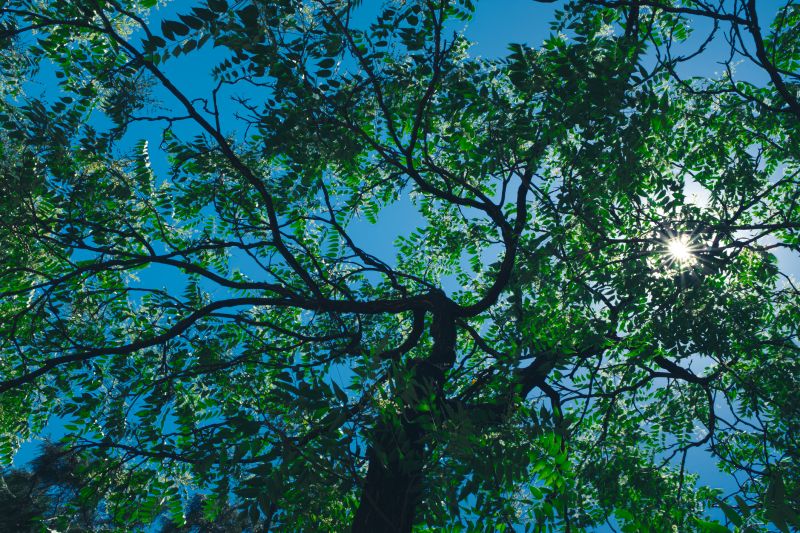
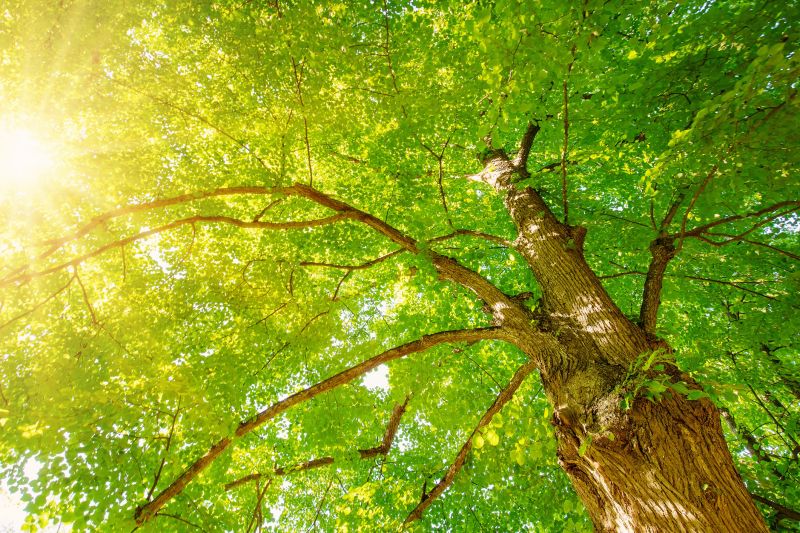
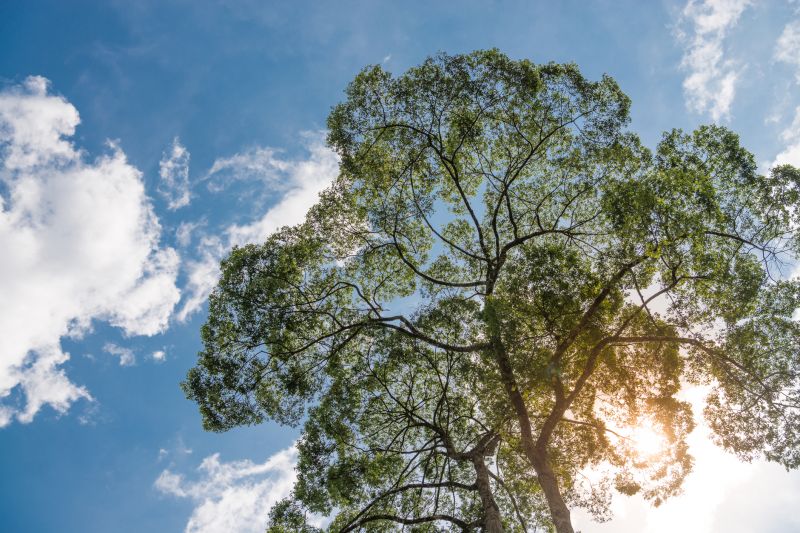
Tree canopy thinning services involve carefully reducing the density of branches and foliage in a tree’s upper layer to improve light penetration, airflow, and overall health. This process is often requested for projects such as managing overgrown trees, preventing potential hazards from falling branches, or enhancing the aesthetic appeal of a property. Homeowners typically seek canopy thinning to promote healthier growth, reduce the risk of storm damage, or to ensure that trees do not interfere with power lines, structures, or views.
Before requesting tree canopy thinning, property owners usually want to understand the scope of the work, including which branches will be removed and how it will affect the tree’s stability and appearance. It’s also helpful to consider the timing of the service, as thinning is best performed during specific seasons to support tree health. Clarifying these details can help ensure that the project aligns with the desired outcomes for safety, aesthetics, and tree vitality.
Many property owners in Doylestown, PA look into Tree Canopy Thinning for repairs, replacements, upgrades, and appearance-related improvements.
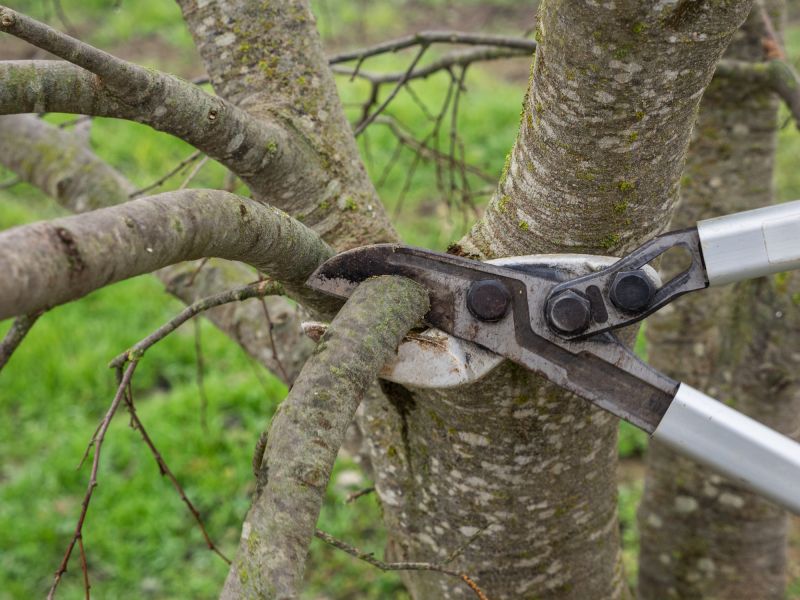
Enhancing Tree Health
Thinning the canopy can improve tree vitality and reduce stress on branches.
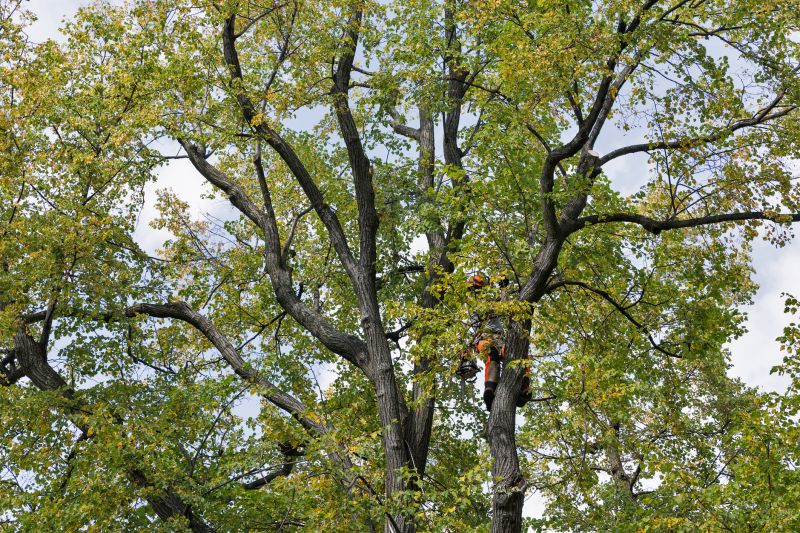
Improving Property Safety
Selective thinning helps prevent branch breakage and minimizes risk during storms.
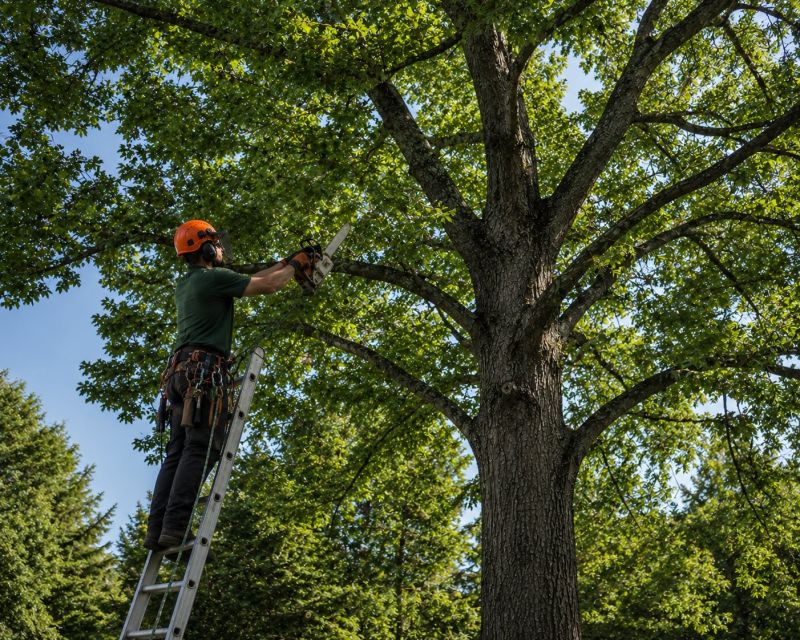
Managing Sunlight And Airflow
Adjusting canopy density allows better light penetration and airflow for surrounding plants and structures.
Tree Canopy Thinning in Doylestown, PA

Tree canopy thinning services involve carefully reducing the density of branches and foliage in a tree’s upper layer to improve light penetration, airflow, and overall health. This process is often requested for projects such as managing overgrown trees, preventing potential hazards from falling branches, or enhancing the aesthetic appeal of a property. Homeowners typically seek canopy thinning to promote healthier growth, reduce the risk of storm damage, or to ensure that trees do not interfere with power lines, structures, or views.
Before requesting tree canopy thinning, property owners usually want to understand the scope of the work, including which branches will be removed and how it will affect the tree’s stability and appearance. It’s also helpful to consider the timing of the service, as thinning is best performed during specific seasons to support tree health. Clarifying these details can help ensure that the project aligns with the desired outcomes for safety, aesthetics, and tree vitality.
Many property owners in Doylestown, PA look into Tree Canopy Thinning for repairs, replacements, upgrades, and appearance-related improvements.
Common Tree Canopy Thinning Jobs
Tree Canopy Thinning - Reduces excess foliage to improve sunlight penetration and air circulation.
Storm Damage Prevention - Helps prevent branch breakage during storms by removing weak or overgrown limbs.
Health Improvement - Promotes healthier growth by thinning crowded or diseased branches.
Safety Clearance - Creates clearance around structures, walkways, and power lines for safety.
Property Aesthetics - Enhances the visual appeal of a property with well-maintained canopy balance.
Growth Management - Controls tree size and shape to suit specific landscape needs.
Tree Canopy Thinning Questions
What is tree canopy thinning? Tree canopy thinning involves selectively removing branches to reduce the density of a tree's foliage, improving sunlight and airflow.
When is canopy thinning recommended? It is typically used to manage tree health, reduce weight on branches, or improve light penetration for landscaping purposes.
Does canopy thinning harm the tree? When done properly, canopy thinning can promote healthier growth and reduce the risk of storm damage.
What are common reasons for canopy thinning? Property owners often request thinning to enhance views, prevent overgrowth, or prepare trees for storms.
Request Tree Canopy Thinning in Doylestown, PA
Use the quote form on this page to share the basics of your project and request more information for the type of work you need.